Oceana County Jail Inmate Search
This site is not owned or operated by any state government agency, read more.
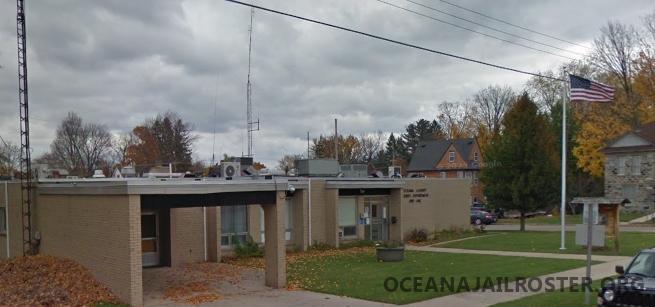
Oceana County Jail, also known as Oceana County Correctional Facility, is a Type II mixed-custody detention facility that houses male and female offenders before their trial or sentencing. It is located at 113 E. State Street, Hart, MI 49420, and serves the cities and townships of Oceana County, Michigan. The facility is operated by the Oceana County Sheriff’s Office and has a capacity of approximately 100 inmates.
Corrections officers play a crucial role in maintaining safety and professionalism within the jail, working diligently around the clock to provide a safe environment for inmates.
Oceana County Jail Inmate Lookup
The Oceana County Sheriff's Office provides public access to inmate information through an online inmate roster that allows the public to search for incarcerated individuals. The inmate search can be accessed through the Oceana County Sheriff’s Office website: Inmate Search
Steps for Inmate Search
-
Visit the Inmate Search Website: Navigate to the Oceana County Sheriff's Office website and click on the "Inmate Search" link.
-
Select Search Parameters: Choose the search criteria you wish to use, such as the inmate's name, booking number, or date of birth.
-
Enter Search Information: Enter the required information in the designated fields.
-
Click "Search": Submit your search query.
Using Inmate Search Information
The inmate search results will provide basic information about the offender, including:
-
Booking Number
-
Name
-
Gender
-
Date of Birth
-
Charges
-
Bond Amount
-
Release Date
This information can be used to:
-
Verify an inmate's status
-
Track an offender's progress through the criminal justice system
-
Contact the inmate through mail or visitation
Tips for Inmate Search
-
Use as much information as possible to narrow down your search.
-
If you do not find the inmate you are searching for, try using different search parameters.
-
Contact the Oceana County Sheriff's Office if you have any questions or require assistance with the inmate search.
Jail Roster
The jail roster at the Oceana County Correctional Facility (also known as Oceana County Jail) is a public record that lists the names and basic information of incarcerated offenders. The roster is maintained by the Oceana County Sheriff's Office and is updated regularly.
Information Available on the Jail Roster
The Oceana County Jail roster includes the following information for each incarcerated offender:
-
Booking Number: A unique identifier assigned to each offender upon booking.
-
Last Name: The offender's last name.
-
First Name: The offender's first name.
-
Date of Birth: The offender's date of birth.
-
Release Date: The scheduled release date for the offender, if applicable.
-
Criminal Charges: A brief description of the criminal charges against the offender.
Roster Updates
The jail roster is updated throughout the day as new offenders are booked into the facility and others are released. The most up-to-date roster can be found on the Oceana County Sheriff's Office website: Inmate Search
Finding an Offender on the Jail Roster
To find an incarcerated offender on the jail roster, follow these steps:
-
Visit the Oceana County Sheriff's Office website and click on the "Inmate Search" link.
-
Select "Search by Name" and enter the offender's last name and first name.
-
Click "Search" to view the results.
Other Useful Details
-
The jail roster is a public record and is available to anyone who requests it.
-
The roster does not include information about the inmate's mugshot, physical description, or any other sensitive information. Mugshots are photographic records taken after an arrest and are used for identification, but accessing these records depends on local agency policies.
-
If you have any questions about the jail roster or need assistance locating an incarcerated offender, contact the Oceana County Sheriff’s Office.
How to Call a Detainee
Can Inmates Receive Calls?
Yes, inmates at Oceana County Jail can receive phone calls from outside the facility. However, all calls are monitored and recorded.
Inmate Call System and Regulations
The Oceana County Jail uses a third-party vendor, Securus Technologies, to provide inmate calling services. Inmates are assigned a personal identification number (PIN) that they use to make calls. Calls are limited to 15 minutes each and can only be made to pre-approved phone numbers.
How to Call an Inmate
To call an inmate at Oceana County Jail, follow these steps:
-
Create an account with Securus Technologies: https://securustech.net/
-
Add the inmate to your contact list by searching for their name or booking number.
-
Fund your account using a credit card or debit card.
-
Dial the Securus Technologies toll-free number: 1-800-844-6591
-
Enter the inmate's PIN when prompted.
Inmate Messaging
Can Inmates Send or Receive Messages?
Currently, inmates at Oceana County Jail cannot send or receive voice or text messages.
Detainee Mail
Guidelines for Sending Mail to Inmates
-
All mail must be addressed to the inmate by their full name and booking number.
-
Mail must be sent in a standard-sized envelope (no larger than 9x12 inches).
-
Envelopes must be made of paper or plastic and cannot be padded or lined.
-
Mail cannot contain any contraband, such as weapons, drugs, or alcohol.
-
Mail cannot contain any sexually explicit or violent content.
-
Mail cannot contain any threats or other illegal content.
-
Mail from attorneys and government agencies is not subject to inspection.
Sending Care Packages
Care packages are not allowed at Oceana County Jail.
Sending Money to Inmates
Methods for Sending Money
There are two ways to deposit money directly into an inmate's account at Oceana County Jail:
-
Online: You can deposit money online through the Securus Technologies website: https://securustech.net/
-
Mail: You can send a money order payable to the inmate through the U.S. Postal Service.
Regulations and Limitations
-
All money orders must be drawn on a U.S. bank.
-
Money orders cannot exceed $200.00 per day.
-
Money orders cannot be endorsed or altered.
-
Money orders must be mailed to the jail’s mailing address (see above).
Note: The jail does not accept cash or checks.
Visitation
Procedure for Arranging a Visit
To schedule a visit at Oceana County Jail, follow these steps:
-
Create an account with Securus Technologies: https://securustech.net/
-
Add the inmate to your contact list by searching for their name or booking number.
-
Schedule a visit by selecting a date and time from the available options.
Rules and Regulations for Visits
-
All visitors must be at least 18 years of age or accompanied by a parent or guardian.
-
Visitors must present a valid government-issued ID.
-
Visitors are subject to search.
-
Visitors cannot bring any contraband into the jail.
-
Visitors cannot engage in any physical contact with inmates.
-
Visitors cannot bring children under the age of 12.
Visitation Hours
-
Weekdays: 8:00 AM - 11:00 AM and 1:00 PM - 4:00 PM
-
Weekends: 9:00 AM - 11:00 AM and 1:00 PM - 3:00 PM
Video Visitation
Oceana County Jail does not offer video visitation.
Inmate Commissary
The commissary is a store where inmates can purchase a variety of items, such as food, clothing, and toiletries. The commissary is operated by a third-party vendor, Keefe Commissary Network.
How Inmates Can Use the Commissary
Inmates can purchase items from the commissary using money that has been deposited into their account. Inmates can add money to their account through the Securus Technologies website or by mail.
Restrictions on Commissary Use
There are some restrictions on what inmates can purchase from the commissary. For example, inmates cannot purchase items that are considered contraband, such as weapons or drugs.
Release Information
Inmates are released from Oceana County Jail when they have served their sentence, have been acquitted of all charges, or have been granted a pardon or parole.
Who Can Be Released
Inmates who meet the following criteria may be eligible for release:
-
Have served their full sentence
-
Have been acquitted of all charges
-
Have been granted a pardon
-
Have been granted parole
How to Get Inmate Release Information
To obtain information about an inmate's release, contact the Oceana County Jail at (231) 873-2121.
Security Level and Jail Staff
Oceana County Jail is a Type II mixed-custody detention facility managed by the Oceana County Sheriff's Office. This means that the jail houses both male and female offenders, and the security level varies depending on the offender’s risk assessment.
The jail has a variety of security measures in place, including:
-
Secure perimeter fencing
-
Locked doors and windows
-
Security cameras
-
Armed guards
Categories of Offenders Housed
Oceana County Jail houses a variety of offenders, including:
-
Pre-trial detainees
-
Sentenced offenders
-
Parole violators
Role of Correctional Officers
Correctional officers are responsible for the safety and security of the jail and its inmates. They perform a variety of duties, including:
-
Monitoring inmates
-
Enforcing jail rules and regulations
-
Conducting searches
-
Transporting inmates
Correctional Staff
The Oceana County Jail is staffed by a team of experienced and dedicated correctional professionals. The staff includes:
-
Jail Administrator
-
Correctional Officers
-
Support Staff
The correctional staff is committed to providing a safe and secure environment for both inmates and staff.
Location and Contact Details
Official Address
216 Lincoln Street, Hart, MI, 49420
Official Phone Number
231-873-3967
Official Website
Hart, MI
Frequently Asked Questions
How can I search for an inmate in a particular jail or prison?
To search for an inmate in a particular jail or prison, follow these steps:
-
Identify the Facility: Determine whether the inmate is in a federal, state, county, or city facility.
-
Use Online Inmate Locators: Most correctional facilities have online inmate locators on their websites. For federal inmates, the Federal Bureau of Prisons website provides a search tool. For state inmates, visit the state's Department of Corrections website.
-
Provide Necessary Information: You typically need the inmate's full name and either their inmate ID number or birthdate.
-
Contact the Facility Directly: If online search is inconclusive, contact the facility by phone or visit in person for assistance.
What information do I need to conduct an inmate search?
To conduct an inmate search, you typically need:
-
The inmate's full legal name.
-
The inmate's date of birth or age.
-
The inmate's ID number, if known.
-
Knowing the specific facility where the inmate is held is helpful but not always necessary.
Arrest Lookup
How do I find out if someone has been arrested recently?
To find out if someone has been arrested recently:
-
Check Local Police Department Websites: Many police departments post recent arrest logs or booking information online.
-
Use Online Public Records Databases: Websites like VineLink offer access to arrest records in some states.
-
Contact the Police Department: Call the non-emergency number of the police department in the area where you suspect the arrest took place.
Is there an online database for checking arrest records?
Yes, there are online databases for checking arrest records, such as:
-
VineLink: Offers victim notification services but also provides information on custody status in some states.
-
Public safety or judicial branch websites of many states and counties.
-
Third-party websites, which might require a fee.
Active Warrant Search
How can I find out if there is an active warrant for someone?
To find out if there is an active warrant for someone:
-
Visit the Local Sheriff's Office Website: Many sheriff's offices maintain an online database of active warrants.
-
Check Court Websites: Some court systems offer online search tools for warrants issued through their courts.
-
Contact Law Enforcement: Calling the non-emergency number for local law enforcement can also provide this information, though they may require an in-person visit for detailed inquiries.
What is the procedure for checking active warrants in my area?
The procedure involves:
-
Online Search: Start with your local sheriff's office or court's website for online search tools specific to warrants.
-
Direct Inquiry: If online options are unavailable, contact your local law enforcement agencies directly by phone or in person.
-
Public Records Request: In some jurisdictions, you might need to file a public records request to access warrant information.
Jail Bookings
Where can I find information on recent jail bookings?
Information on recent jail bookings can often be found on:
-
Local Sheriff's Office Websites: Many offer databases or logs of recent bookings.
-
County Jail Websites: Specific to the facility, providing details on inmates currently in custody.
Is there a way to receive notifications about specific jail bookings?
Yes, some jurisdictions offer notification services such as:
-
VINE (Victim Information and Notification Everyday): VineLink provides updates on custody status changes, including bookings, for registered users.
-
Local Alert Systems: Some sheriff's offices have email or text alert systems for new bookings.
Mugshots
Are mugshots available to the public? How can I find them?
Mugshots are generally considered public records and can be found through:
-
Sheriff's Office and Police Department Websites: Often publish mugshots of recently booked individuals.
-
Public Records Requests: If not readily available online, mugshots can sometimes be obtained through a formal public records request.
What are the legal considerations for accessing and sharing mugshots?
Legal considerations include:
-
Privacy Laws: Some states restrict the release of mugshots to protect individuals' privacy until convicted.
-
Misuse: Sharing mugshots on social media or other platforms can lead to legal issues, especially if it defames someone or violates platform policies.
Inmate Calls
How can I receive calls from an inmate in a jail or prison?
To receive calls from an inmate:
-
Register with the Facility’s Phone System: Facilities typically use a specific third-party service (like Securus or GTL) for inmate calls. You'll need to create an account and add funds.
-
Be Aware of Restrictions: There may be limits on call length, hours, and the number of calls you can receive.
What are the rates for inmate calls, and how can they be paid for?
Rates vary by facility but often include a per-minute charge and connection fee. They can be paid for by:
-
Prepaid Accounts: Adding money to a prepaid account through the service provider.
-
Collect Calls: Accepting charges when the inmate calls you, depending on your phone service’s policies.
Inmate Mail
What is the correct way to send mail to an inmate?
The correct way involves:
-
Using the Inmate’s Full Name and ID Number: Ensure the mail is addressed correctly with the inmate's information and the facility's address.
-
Following Facility Guidelines: Adhere to content and item restrictions provided by the facility.
Are there any restrictions on what can be sent to inmates?
Yes, common restrictions include:
-
No Contraband: Drugs, weapons, etc.
-
Content Limits: Some materials, like explicit content or anything that could compromise security, are not allowed.
-
Item Restrictions: Many jails and prisons restrict items that can be sent directly, such as hardcover books or certain electronics.
Visitation
How do I schedule a visitation with an inmate?
To schedule a visitation:
-
Register as a Visitor: Complete any required paperwork and background checks.
-
Follow the Facility’s Scheduling Process: This may involve online scheduling, phone calls, or in-person appointments.
-
Adhere to Visitation Rules: Be aware of the facility's rules regarding scheduling, cancellations, and no-show policies.
What are the rules and guidelines for visiting an inmate?
Rules and guidelines typically include:
-
Identification: Valid photo ID is required.
-
Dress Code: Follow the facility’s dress code to avoid being denied visitation.
-
Behavior: Visitors must adhere to all facility rules and conduct themselves appropriately.
Sending Money
What methods are available for sending money to an inmate?
Methods include:
-
Online Services: Such as JPay or ConnectNetwork.
-
Money Orders: Sent directly to the facility.
-
Kiosk Deposits: Available in some jail or prison lobbies.
How can I ensure that the money I send reaches the inmate?
Ensure money reaches the inmate by:
-
Using Approved Methods: Only send money through the facility's approved channels.
-
Correctly Identifying the Inmate: Use the inmate’s full name and ID number to avoid misallocation.
-
Keeping Receipts: Retain transaction confirmations for your records.
Posting Bond
What is the process for posting bond for someone?
The process typically involves:
-
Determine the Bond Amount: This information can be obtained from the jail or court.
-
Choose the Method of Payment: Cash, property, or through a bail bondsman.
-
Complete the Transaction: Pay at the designated court or jail office, and ensure you receive a receipt.
Are there any fees associated with posting bond?
Yes, fees may include:
-
Non-Refundable Service Charges: Especially when using a bail bondsman.
-
Court Fees: Some jurisdictions charge a processing fee for bond payments.
Release
How can I find out when an inmate is being released?
To find out an inmate's release date:
-
Check the Facility’s Website: Some have online inmate search tools that provide release dates.
-
Contact the Facility Directly: Call the facility and provide the inmate’s name and ID number for release information.
What are the procedures for picking up an inmate upon their release?
Procedures vary but generally include:
-
Confirm the Release Date and Time: Contact the facility as the date approaches to confirm details.
-
Arrive Early: Be at the specified location ahead of time, as release times can vary.
-
Bring ID: You might need to show identification to pick up the inmate.
Legal Assistance for Inmates
How can an inmate obtain legal representation?
Inmates can obtain legal representation by:
-
Requesting a Public Defender: In criminal cases, if the inmate cannot afford an attorney, the court will appoint one.
-
Hiring a Private Attorney: Inmates or their families can hire a lawyer to represent them.
-
Legal Aid Societies: Non-profit organizations that offer free legal assistance to those who qualify.
Are there any resources available for low-cost or free legal assistance for inmates?
Yes, resources include:
-
Public Defender’s Office: For criminal cases.
-
Legal Aid Organizations: Offer various legal services for free or at a reduced cost.
-
Pro Bono Services: Some private attorneys offer free legal aid to inmates on a case-by-case basis.
Medical Assistance for Inmates
What medical services are available to inmates?
Inmates have access to:
-
Basic Healthcare: Including medical, dental, and mental health services.
-
Emergency Care: For urgent medical conditions.
-
Routine Check-ups: To monitor ongoing health issues.
How can I ensure an inmate receives necessary medical treatment?
Ensure an inmate receives medical treatment by:
-
Filing a Health Request: Inmates can request medical attention through the facility’s health services.
-
Advocacy: Family members can contact prison officials or external organizations if they believe an inmate's healthcare needs are not being met.
Criminal Records Lookup
How do I perform a criminal records lookup on someone?
To perform a criminal records lookup:
-
Use Online Public Records Databases: Websites like PACER for federal cases or state and local court websites for state-level offenses.
-
Request Records from Local Law Enforcement: Police departments can provide criminal records, though policies vary.
-
Background Check Services: Third-party services can compile criminal records for a fee.
What information is included in a criminal record?
A criminal record may include:
-
Personal Information: Name, birthdate, and physical descriptors.
-
Arrest Records: Dates, charges, and the arresting agency.
-
Court Records: Trial information, convictions, sentences.
-
Incarceration Records: Jail or prison time, release dates.
Sex Offender Registry
How can I access the sex offender registry?
Access the sex offender registry through:
-
National Sex Offender Public Website (NSOPW): NSOPW allows you to search nationwide.
-
State Registry Websites: Each state maintains its own registry, accessible online.
What information is available in the sex offender registry?
The registry typically includes:
-
Offender’s Personal Information: Name, address, and physical description.
-
Conviction Details: Nature of the crime, date of conviction.
-
Photograph: Most registries include a current photo of the offender.
Background Check
What is the process for conducting a background check on someone?
The process involves:
-
Gathering Basic Information: Full name, birthdate, and Social Security number (if possible).
-
Choosing a Background Check Service: Either a governmental website or a private company.
-
Paying Required Fees: Most services charge a fee for access to detailed reports.
Are there different types of background checks? What do they cover?
Yes, different types include:
-
Criminal Background Checks: Cover criminal history, arrests, convictions.
-
Employment Background Checks: Verify employment history, education, and professional licenses.
-
Credit Checks: Assess credit history and financial stability, often used by landlords and lenders.